

The danger of unchecked ai summarization and its effect on culture
As someone who designs digital experiences and has personally been hands on with no fewer than 20 websites through the rise of AI, I find it interesting that the use of language on the internet has become so mathematical.
The thing about AI is that it was built by people who don't think language has tone, point-of-view, syntax or subjective elements to it. This is an assertation, but it’s likely that the type of folks who excel at large-language models and machine learning maybe struggle with social norms and a feeling of social connectedness. It's like this mass adoption of the idea that language communicates an idea in a 1-1. 100% of idea conveyed. It's a mathematical approach to language that does not take the human element into account and therefore completely disregards the role of rhetoric in the written word.
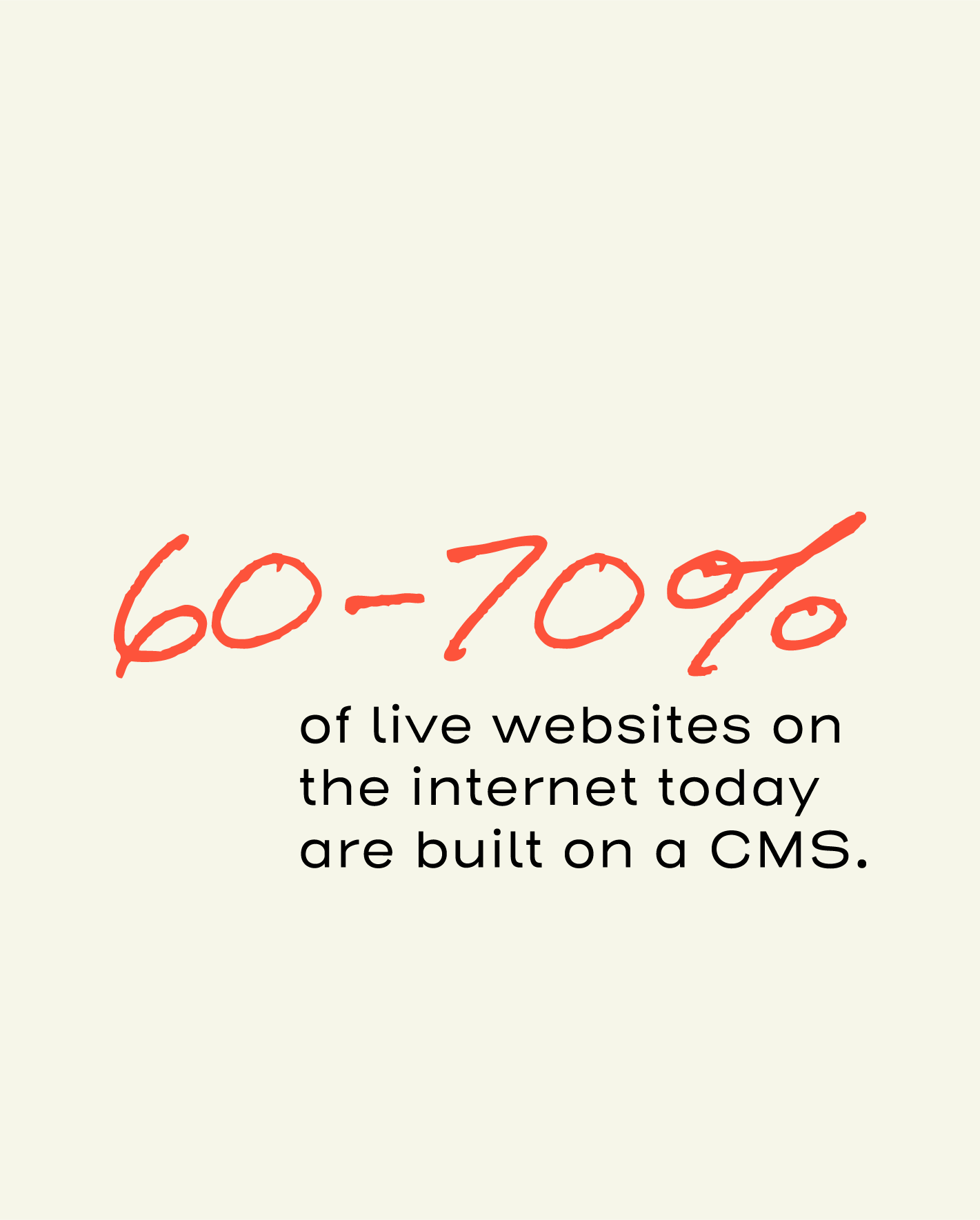
60-70% of live websites on the internet today are built on a CMS. Every major CMS platform has incorporated some kind of AI tool into the backend. Metadata written by AI on a website platform (Shopify, Wix, GoDaddy, Squarespace primarily) is indexed by google search engines using said metadata. Google summarizes it back to you in your search results. A human wasn't checking the sources or tone. There are no reputable sources to confirm with. My sourcing standards are from extensive practice writing in MLA format. (Thank you Mrs. Raynor, Honors English)
I was an early adopter of AI tools in the small business space. I had built myself an AI stack in early 2022 before it was cool. I started an AI consulting company in 2022 because I had clients asking me to teach them what I knew about prompt engineering. That took me to Liberty University in the fall of 2022 with a head of purple hair and ideas. I had a CTO, a COO, and a heck of a lot of pens with our logo on them.

I still like the logo

And I still like that I went to speak at Liberty University with purple hair without batting an eye. (No actually I crashed out on a park bench outside an hour before I went on stage, but I still showed up fully)
I personally met at least 15-20 people who were on the frontlines of infusing AI into the corporate and government spaces. They did not seem particularly interested in putting any limits on the progress of AI. It was spoken about like the military. Just pump money into it until we are father ahead than China. Quick!
This is what I said at the time and this is what I'm saying now, the danger is the unchecked adoption of AI tools not just AI itself. Without human check points, AI is left to its own hallucinations OR (notably worse), the owners of these companies can train the tools on their ideology and perspective disregarding the experiences and perspectives of whomever they want. We have seen the news about gen AI "breaking out" of it's environment a number of times already. This is one of the greatest threats because it has the power to shift culture in such an insidious way.
The best antidote to this mayhem is still just reading real books and talking to your neighbors.
Analog is so back, baby
Analog Marketing Is Back. Smart Brands Are Paying Attention
For the past decade, marketing advice has centered on doing more online: post more content, send more emails, launch more ads, and show up on more platforms.
But now that SEO is dead, AI engines are virtually a black box for business owners, and we can’t just post a couple dozen keywords on the landing page, analog is finding it’s groove again.
Analog Marketing examples:
Printed newsletters
Direct mail campaigns
Handwritten notes
Catalogs
Event invitations
Postcards
Branded gifts
Tangible experiences
Why Analog Marketing Feels Fresh Again
Consumers are surrounded by digital content from the moment they wake up.
Social posts blur together. Emails are archived without being opened. Ads disappear with the swipe of a thumb. Even genuinely valuable content has to compete with thousands of other messages for a few seconds of attention.
Physical marketing interrupts that pattern.
A beautifully designed postcard has to be picked up. A printed guide can sit on someone’s desk. A branded object may remain in a customer’s home for months. These experiences occupy physical space, and often stay visible long after a digital impression would have disappeared.
The data supports this. In Q1 2026, the average piece of direct mail remained in the home for 7.8 days and received more than 140 seconds of attention over a 28-day period.
according to JICMAILThat is a radically different kind of exposure from a social post someone scrolls past in two seconds.
Alex Hormozi Is Thinking Beyond the Feed
Entrepreneur and investor Alex Hormozi has been vocal about the opportunities businesses miss when they rely on only one channel.
As he explained on an episode of The Game:
“You have to saturate that tiny market by getting in front of more people in more places.”
—Alex Hormozi, The Lie That Keeps Entrepreneurs Broke
Your audience does not live exclusively on Instagram. They check their mail, attend events, visit neighborhood businesses, open packages, carry tote bags, read printed material, and talk to other people. Every one of those moments is an opportunity to partner with your audience in a moment of their day.
Hormozi demonstrated this approach during the promotion of his $100M Money Models book launch. Alongside his digital campaign, he sent physical letters and refrigerator magnets inviting people to the event. The magnet was particularly clever: instead of earning one fleeting impression, it could remain visible in someone’s kitchen for weeks. One recipient documented how the campaign combined the physical reminder with a QR code and short URL, connecting the analog experience directly to a digital action.
This is the real opportunity. Analog and digital marketing do not have to compete. The strongest strategy allows them to reinforce each other.
Analog Marketing Creates a Different Kind of Brand Experience
Analog marketing works because it can deliver qualities that are difficult to reproduce through a screen.
It feels intentional
Sending a physical object requires more effort than scheduling another post. Customers understand this instinctively. The materials, design, printing, packaging, and delivery all signal that the brand made an investment in the experience.
That effort can make the recipient feel more valued.
It engages the senses
A customer can touch textured paper, notice the weight of a card, unwrap a package, or display an object in their home. These sensory details communicate something about the brand before the customer reads a single word.
For premium, artisan, hospitality, wellness, and service-based brands, those details can become an important extension of the brand positioning.
It lasts longer
The goal is to create something worth keeping. A useful checklist may be pinned to a bulletin board. A small print can be framed. A thoughtful postcard may sit on a desk. A magnet can remain on a refrigerator.
It feels more personal
USPS research found that 69% of millennials surveyed said direct mail felt more personal than online digital communication.
USPSPersonalization does not always require elaborate technology. A relevant message, a handwritten note, or a carefully selected gift can make a customer feel recognized.
Analog Marketing Is More Than Direct Mail
When people hear “analog marketing,” they often imagine mass-produced postcards sent to thousands of homes. But analog marketing can be much more creative and personal.
Brands can experiment with:
Printed newsletters or seasonal brand journals
Postcards announcing a launch, event, or limited collection
Handwritten thank-you and welcome notes
Small catalogs or product lookbooks
Printed guides, worksheets, or checklists
Branded recipe cards, bookmarks, stickers, or magnets
Local workshops and in-person gatherings
Pop-up displays and community partnerships
Thoughtful package inserts
Surprise gifts for loyal clients
Printed invitations with QR codes
Neighborhood flyers or door drops
Referral cards customers can physically share
The best format depends on the brand and the behavior it wants to encourage.
A luxury service provider might send a beautifully designed welcome package. A local café could distribute collectible recipe cards. A consultant might mail a compact planning guide to prospective clients. A product brand could create packaging that customers want to photograph, display, or reuse.
The medium should feel like a natural expression of the brand, not a novelty added simply because analog marketing is trending.
Don’t Create More Stuff. Create Something Worth Keeping.
There is an important distinction between meaningful analog marketing and branded clutter.
A cheap promotional item with no connection to the customer is unlikely to build affinity. It may create the opposite impression, particularly for audiences who value sustainability and intentional consumption.
Before producing anything physical, ask:
Is this useful, beautiful, meaningful, or memorable?
Does it reinforce our positioning?
Would our ideal customer want to keep it?
Does it give the recipient a clear next step?
Can we track the response?
Is the experience worth the environmental and financial cost?
A good analog campaign should feel like a small brand experience, not simply an advertisement printed on paper.
Connect the Physical Experience to a Digital Next Step
Analog marketing becomes even more powerful when it leads naturally into your digital ecosystem. It’s got to be trackable. This where QR codes are your best friend.
A postcard might point to a private landing page. A printed guide could invite the reader to join an email series. A package insert might feature a QR code leading to a tutorial. An event invitation can allow recipients to add the date directly to their calendars.
The physical element earns attention. The digital element makes the next action convenient and measurable.
Use a dedicated URL, QR code, promotional code, phone number, or campaign landing page so you can track results. Measure not only immediate sales, but also inquiries, website visits, email signups, repeat purchases, referrals, and customer retention.
The Future of Marketing is Human
AI will continue to make digital content faster and less expensive to produce. As the volume of content rises, however, attention will become even more difficult to earn.
That may be exactly why analog marketing is returning.
A handwritten note feels more meaningful when most communication is automated. A printed publication feels more substantial when information is endlessly generated. A small event feels more memorable when so much of life happens through a screen.
The comeback of analog marketing is about contrast and doing something that is hard for your competition to replicate and connects with your audience on a human level.
When everyone else is competing to appear in the feed, your brand has an opportunity to appear somewhere unexpected: in the mailbox, on the desk, inside the package, around the neighborhood, or in the room.
The question is no longer whether digital or analog marketing is better.
The better question is:
How can your brand create an experience people will notice, remember, and choose to keep?
9 ways to make your brand stand out online in 2026
The biggest shift in 2026 is that status signaling has moved from wealth signaling to trust signaling. In 2026, the most powerful signal of brand value is visible human presence. As AI-generated content becomes ubiquitous, audiences are increasingly drawn to brands that feel undeniably human. A founder who speaks directly to customers, a team that appears regularly in content, and genuine behind-the-scenes access all create a sense of trust that polished corporate messaging cannot replicate. The question consumers are subconsciously asking is no longer, “Does this look professional?” but rather, “Are there real people behind this?”
Taste Leadership
Another major value signal is taste leadership. High value brands are curating a perspective on the world. They possess a clear point of view, make intentional choices about what they endorse and reject, and attract customers who identify with those choices. In an era of endless options, consumers increasingly gravitate toward brands that help them express identity and belonging. Strong taste has become a form of authority.
Proof of craftsmanship
Proof of craftsmanship has also become significantly more important than claims of quality. Consumers have heard every variation of “premium,” “luxury,” and “best-in-class.” What differentiates brands now is their willingness to show the work behind the product. Brands that openly document sourcing, design decisions, manufacturing processes, and obsessive attention to detail create credibility through transparency. The process itself becomes part of the product's value.
consistency
One of the most overlooked signals of value is consistency. Brands that feel expensive tend to communicate the same message, personality, and standards everywhere they appear. Their website, social media presence, customer experience, packaging, and leadership all reinforce a unified perception. Consistency signals competence. Inconsistency creates friction and undermines trust, regardless of how much money is spent on marketing.
community and membership
The ability to create a sense of community and membership has become another powerful marker of brand strength. Increasingly, people are not buying products; they are joining tribes. The most successful brands make customers feel like insiders rather than consumers. Exclusive experiences, shared language, events, private groups, and strong community culture all transform a transaction into a form of social identity.
selective alignment
Modern brands are also signaling value through selective creator alignment. Instead of chasing the largest influencers, sophisticated brands partner with creators who possess credibility within highly specific communities. These partnerships feel more authentic because they are rooted in genuine relevance rather than paid exposure. A recommendation from a respected niche expert often carries more weight than a celebrity endorsement.
restraint
Perhaps surprisingly, restraint has become a luxury signal in itself. Many premium brands are moving away from constant promotion, aggressive sales tactics, and content saturation. They communicate with confidence, publish selectively, and resist the pressure to appear everywhere at once. In a landscape filled with noise, restraint suggests that a brand knows exactly who it is and does not need to compete for attention.
experience design
Another increasingly important signal is experience design. Consumers evaluate brands based on how interactions feel rather than simply what products do. Every touchpoint: packaging, onboarding, customer service, events, digital interfaces, and even the tone of communication contributes to perceived value. Brands that intentionally design memorable experiences create emotional differentiation that competitors struggle to copy.
anti-ai signals
A growing trend is the emergence of anti-AI signals. As synthetic content becomes easier to generate, evidence of human effort becomes more valuable. Real, authentic stories from real, authentic people give a feeling of closeness and make people feel like they are a part of something before they are even involved in the brand.
Examples include:
Original photography
Documentary-style storytelling
Handwritten elements
Imperfect visuals
Founder written content
Live interactions
distribution quality
Finally, distribution quality has become a powerful indicator of brand status. Where a brand appears often matters more than how frequently it appears. Being featured by respected creators, trusted newsletters, influential podcasts, and curated communities communicates value through association. Distribution channels themselves have become part of the brand story, and appearing in the right places signals credibility before a customer ever encounters the product.
These shifts reveal a broader truth: in 2026, the strongest brands no longer compete on aesthetics alone. Beautiful design is now expected. The brands commanding the highest trust, loyalty, and pricing power are those that demonstrate authenticity, conviction, consistency, and cultural relevance. In a world where anyone can generate a polished logo or marketing campaign in minutes, the ultimate signal of value is becoming increasingly simple: a brand that feels unmistakably real.
SEO No Mo’: the latest in AI and how to pivot
Google announced major expansions to:
AI Overviews
AI Mode
Conversational search
Multimodal search (voice, camera, video, docs)
Agentic search/actions
Personalized AI search using user context
The biggest announcement was the rollout of AI Mode directly into Search using Gemini. But, let’s not freak out yet. Everything is figuroutable (Marie Forleo) and we can pivot through this just like we do everything the algorithm changes.
Click-Through Rates Will Continue Dropping
This is the most immediate effect.
AI Overviews answer more queries directly in Google, reducing the need to click websites.
Studies already show meaningful traffic declines from AI-generated answers.
What changes after I/O:
AI answers become more comprehensive
Follow-up questions happen inside Google
Search sessions become conversational
Users stay inside Google longer
This especially hurts:
informational blogs (heh…heh..)
affiliate sites
glossary/how-to content
basic comparison articles
generic SEO content
The “10 blue links” era is fading fast.
Strategic implication:
Traffic is no longer the primary KPI.
Brand visibility inside AI answers becomes critical.
“Answerability” Becomes More Important Than Ranking
Traditional SEO focused on:
ranking #1
getting clicks
Now you also need to become:
quotable
extractable
trustworthy enough for AI synthesis
Google’s AI systems are selecting and synthesizing sources differently than classic rankings.
Meaning:
You may NOT need to rank #1 to influence the answer.
But you DO need:
clear expertise
concise explanations
strong topical authority
structured information
factual consistency
E-E-A-T Just Became Much More Important
Experience, Expertise, Authoritativeness, and Trustworthiness is the framework Google’s systems and human evaluators use to determine if content is reliable and helpful, particularly for YMYL (Your Money or Your Life) topic Google repeatedly signaled that AI Mode still relies on existing quality systems.
So:
Experience
Expertise
Authority
Trust
matter even more now.
AI systems need confidence in sources before summarizing them.
This favors:
real brands
experts
first-hand experience
proprietary insights
original research
authentic UGC/community discussion
This weakens:
scaled AI content
generic SEO pages
commodity information
Keyword SEO Is Becoming Intent SEO
AI Mode interprets:
goals
context
follow-up intent
conversational meaning
Example:
Old SEO:
“best running shoes flat feet”
New search behavior:
“I run 20 miles a week and overpronate. What shoes will reduce knee pain?”
That changes content strategy dramatically.
You now optimize for:
task completion
semantic depth
contextual coverage
conversational query chains
Brand Signals Matter More Than Ever
In an AI-first SERP, users often see:
a synthesized answer
a few cited brands/sources
That creates a winner-take-most environment.
Strong brands are more likely to:
get cited
get remembered
get clicked after the AI answer
become trusted entities
SEO is converging with:
PR
creator marketing
YouTube
podcasts
Reddit visibility
social proof
UGC
This is a huge shift. Google’s AI increasingly values consensus and reputation across the web, not just your website.
Reddit, Forums, UGC, and Community Content Gain Power
Google’s AI systems heavily use:
discussions
opinions
first-hand experiences
consensus signals
Research suggests experience-based content behaves differently in AI search ecosystems.
This explains why:
Reddit visibility exploded
forums rank better
authentic discussions outperform polished SEO copy
Brands now need:
community presence
creator advocacy
review ecosystems
discussion footprints
Not just “optimized articles.”
7. Multimodal SEO Is Becoming Real
Google is pushing:
voice
camera search
video understanding
visual search
live interaction
through Gemini + Lens + AI Mode.
Implications:
YouTube SEO matters more
visual explainers matter more
transcripts matter more
image optimization matters more
product visuals matter more
Text-only SEO strategies will weaken over time.
Transactional & Commercial SEO May Become More Valuable
Informational traffic is most vulnerable to AI answers.
But:
products
services
local
tools
software
transactions
branded searches
still require action.
Google is also introducing agentic commerce and shopping flows.
So businesses that help users:
decide
compare
buy
transact
retain leverage.
Pure informational publishers are at greater risk.
What Smart Brands Should Do Now
Priority #1: Build Entity Authority
Google increasingly understands brands/entities, not just pages.
Focus on:
branded search demand
mentions across the web
expert authors
PR
podcasts
YouTube
LinkedIn thought leadership
citations/references
Priority #2: Create “AI-Citable” Content
Your content should be:
concise
authoritative
structured
evidence-backed
uniquely insightful
Best formats now:
original research
frameworks
opinionated expertise
case studies
data
experience-rich content
Worst formats:
generic “ultimate guides”
commodity listicles
AI-generated filler
Priority #3: Diversify Beyond Google
This is now essential.
Strong brands are investing in:
email lists
creator partnerships
YouTube
TikTok
communities
Reddit
owned audiences
because organic Google traffic is becoming less reliable.
Priority #4: Optimize for Citation, Not Just Clicks
New questions:
Does AI quote us?
Are we referenced?
Are we the remembered authority?
Are we part of the answer ecosystem?
Visibility itself has value now.
My Prediction
Over the next 2–3 years, the winners will be:
strong brands
niche experts
creators
communities
proprietary-data companies
opinionated thought leaders
multimedia publishers
NOT
anonymous SEO sites
scaled content farms
affiliate-only businesses
generic informational blogs
low-differentiation publishers
SEO is evolving into: “Digital authority optimization.” not just search ranking.
4 tips from a content creator if you feel like throwing your phone across the room instead of posting again
There are more tools, more platforms, more AI-generated content, more creators, and more “marketing advice” than ever, yet customers trust less, scroll faster, and forget brands almost instantly. AI has made content creation easier, but it has also created massive sameness.
Where you are now:
Posting constantly but getting weak engagement
Wanting more brand awareness and engagement
Running ads that don’t convert like they used to
Competing against businesses with bigger budgets
Copying trends because they feel pressure to “keep up”
Feeling invisible despite working nonstop
What to do instead:
1.Make 100 pieces of content in a month
Try stories, reels, re-posting, dancing, being silly, jump on a trend, do a video with a friend, try a new platform. Just try as many content styles as you can and delete what doesn’t work. You’ll get so much farther in refining your voice and brand image than if you try to create the perfect brand and nail it on the first try.
2.Lean into what makes you weird
You have an employee who can do a cartwheel? Have them do cartwheels while they tell us about the product.
You have a food product that looks really pretty when presented? Do a video of clients receiving their food and make a reaction video.
You have a grouchy owner? Play off of it. Make them stand in the frame and wear a stupid hat while you talk about your services.
3. Build trust through UGC and community
Remember that what other people say about your brand is more impactful than what you say about your brand. Incentivize for reviews, create an inner circle of fans. Collaborate with other creators who have something to gain from partnering with your brand.
Create weird, funny, different, edgy content. ANYTHING other than professional
Professional is boring. Users are over FEELING like they are being sold things. They know they are being sold things online, but they don’t want to feel like they are. They want to feel like they are in cahoots with your brand.. like you get them and you are in on the conversation.
Using AI for speed not for differentiation
AI can’t tell you what the vibe is. AI doesn’t know what is funny or when to jump in on the trend. AI is great for systems, content ideas, workflows, editing bodies of text for grammar, and menial tasks.. not human creativity.
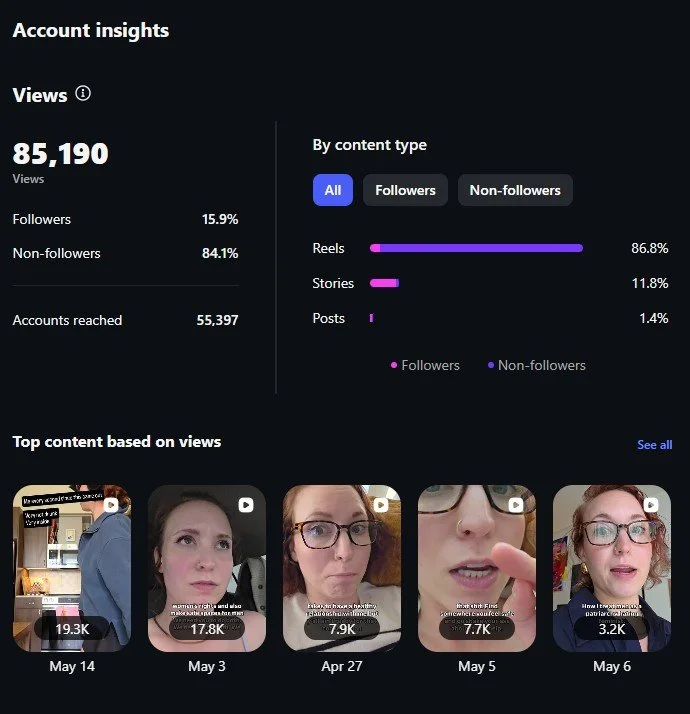
This is my engagement over the past 30 days (below) followed by 7 new warm leads.
the hard truths about promoting your business on social media
The reality is that the algorithm (pictured below) needs to be fed constantly. It eats attention. Add a scrolling feature that feel like a slot machine and here we are as a society.

(A biologically accurate drawing of the algorithm)
Social media platforms are not trying to promote you
The algorithm doesn’t want to send people away from the platform because that’s precious attention lost. The social media companies know that you have to be able to self-promote to stay on the platform so they let you add links and create ads. But they are not trying to do you any favors.
Social media platforms were not designed to help your business grow.
They were designed to keep people scrolling. For years, brands were told that if they posted consistently, followed trends, and “beat the algorithm,” growth would follow.
The algorithm is not your business partner.
It does not care about your mission, your craftsmanship, or your revenue goals. It cares about attention. And attention is a volatile currency.
So how do you hack the algorithm to work for you?
Make content for people, not the algorithm
Platforms like Instagram, TikTok, and Facebook optimize for:
Watch time
Engagement
Retention
Shares
The longer users stay on the platform, the more money the platform makes. This means the algorithm naturally favors content that creates:
Emotional reactions
Fast stimulation
Controversy
Novelty
Compulsive consumption
If content genuinely makes people feel understood, inspired, entertained, or connected, the algorithm notices. In that sense, the algorithm is less like a gatekeeper and more like a behavioral mirror.
Stop Creating for Everyone
Generic content disappears because it creates weak reactions. You have to choose who will not like you. Strong brands speak clearly to a specific worldview, identity, or emotional experience. The more recognizable your perspective becomes, the easier it is for both people and platforms to categorize your content.
Focus on Shareability Over Virality
Virality is unpredictable.
Shareability is strategic.
People share content that:
reflects their identity,
says something they struggle to articulate,
teaches something useful,
or creates emotional recognition.
A post shared 100 times by the right audience is often more valuable than 100,000 passive views.
Build Owned Community Outside the Platform
Algorithms can change overnight.
Your audience should not live entirely on rented land.
The strongest brands use social media as a discovery tool while building:
Email lists
Communities
Memberships
Events
Direct relationships
Use Human-Centered Creative Work
The internet is saturated with optimized content.
What cuts through now is work that feels:
Human
Emotionally honest
Visually distinct
Culturally aware
People are increasingly drawn toward brands that feel alive rather than manufactured especially in the age of AI-generated sameness.
Create Content That Starts Conversations
Algorithms reward interaction because conversation extends platform usage.
But the goal should not be outrage or manipulation. (Although people love to correct other people. Don’t be afraid to use that to your advantage)
The best-performing small business content often makes people say:
“That’s exactly how I feel.”
Resonance is more sustainable than shock value.
The real opportunity for small businesses is that large corporations often struggle to sound human.
Small businesses have an advantage because they are closer to:
Real stories
Real values
Real relationships
That authenticity becomes increasingly valuable in a digital environment flooded with automation and generic marketing.
Ironically, the businesses that stop obsessing over the algorithm are often the ones that perform best within it because they create work people actually care about.
What to do when you can’t lock in
I have been sitting at my computer letting my brain be stuck for over 20 minutes. I scrolled, I made a smoothie, I made coffee, then I just sat here.
Monday, I was a machine.
Yesterday, I was inspired.
Today, I’m tired, blurry, distracted.
So I’m going write about it instead of trying to fix it.
The first thing I do when I feel locked out of my brain is to go through Maslow’s hierarchy of needs.
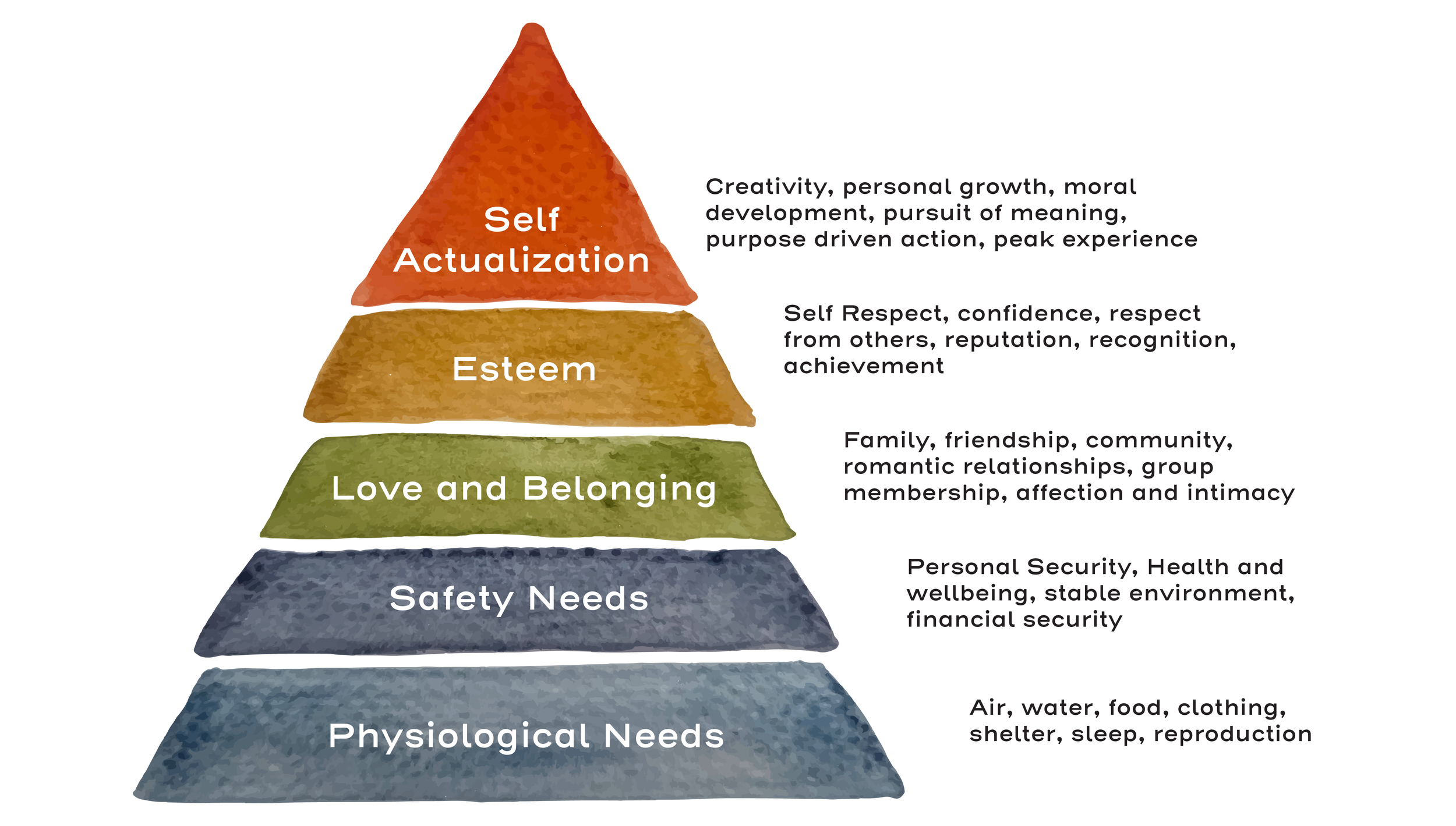
Here is a list of questions to ask yourself to identify what you need most and what might be holding you back right now.
Physiological Needs - Before productivity, check the organism
Have I eaten enough protein, water, or actual nourishing food today?
Am I overstimulated, under-rested, dehydrated, or physically uncomfortable?
Do I need movement, sunlight, fresh air, or quiet?
Is my nervous system asking for rest rather than forcing output?
Have I slept enough to think clearly?
Am I sitting in an environment that helps me focus?
What physical sensation do I notice most strongly right now?
If my body could ask for one thing before work, what would it be?
Safety Needs - The brain struggles to create when it feels uncertain or threatened.
What feels unstable in my life right now?
Is there an unresolved task or fear draining my attention?
Am I avoiding work because I’m afraid of failing, succeeding, being judged, or making the wrong choice?
Do I know what “enough” looks like for today?
What would make today feel safer or more manageable?
Am I overwhelmed because everything feels equally important?
What is the smallest concrete task I can complete in 10 minutes?
What structure or boundary would help me feel calmer?
Belonging & Connection — “Do I feel emotionally connected?”
Humans focus better when they don’t feel isolated.
Have I felt lonely, unseen, or disconnected lately?
Am I carrying an emotional conversation internally that’s distracting me?
Do I need encouragement, accountability, collaboration, or reassurance?
Who makes me feel grounded and understood?
Have I been spending too much time only inside my own head?
Is there someone I need to text, call, or reconnect with?
Am I trying to prove myself instead of support myself?
Esteem & Confidence — “Do I trust myself right now?”
Sometimes staring at the screen is a confidence problem disguised as a productivity problem.
What story am I telling myself about my capability?
Am I expecting perfection before beginning?
What am I afraid this work says about me?
Have I acknowledged any progress lately, or only what’s unfinished?
What would “good enough” look like here?
Where am I underestimating my own competence?
Am I waiting to feel ready instead of allowing myself to start messy?
If I trusted myself fully, what would I begin right now?
Self-Actualization — “What deeply matters to me?”
This is the layer of meaning, purpose, and alignment.
Does this work still connect to who I want to become?
Which tasks energize me versus drain me?
What kind of life am I actually trying to build?
What part of me wants expression right now?
Where do I feel most alive, curious, or creative?
What am I craving more of: freedom, impact, peace, mastery, play, recognition, service?
If I stopped performing and started aligning, what would change?
What would make today feel meaningful, not just productive?
Integration Questions — “What do I truly need right now?”
After moving through the layers, ask:
What is the real blockage: exhaustion, fear, confusion, loneliness, pressure, or lack of clarity?
What need has been ignored the longest?
What is one compassionate action I can take for myself in the next 15 minutes?
What would help me move from frozen to supported?
What do I need before I need motivation?
Why Authenticity Sells in 2026
No matter what your brand is about in 2026, the modern consumer is savvier than any consumer of all time. It’s important to understand the trends of consumer behavior in relation to your offering.
The people you want to connect with want you to show them that they can trust you.
Everything on your website, the whole experience of buying something from you… it all shows your consumer the texture, attitude, values, and vibe of your brand.
Your audience is building a story about your brand and creating a sense of whether they belong with you or not. They are looking at the comments you make, the posts you share, the way you engage or don’t engage, and deciding if you are their type of people or not.
The reason I encourage an authentic brand expression is because consumers are savvy now. It’s hard to fake a brand and actually sell it these days. Consumers have trust issues. It goes much farther to be the brand they think you are than to try to fake it.
The firm Edelman who has studied trust for over 25 years says,
“Over the past decade, brands have championed societal causes to earn relevance and loyalty, but today consumers need economic hope and personal stability.” Source
Let’s define authenticity. Authenticity is NOT oversharing about irrelevant information, OR caring more about your consumer than your employees. Choose a level of proportionate authenticity for the level of engagement you are at. Being honest is not sharing everything you think. Being honest is sharing everything that is relevant to the relationship.
Authenticity is about (1) meaning what you say and (2) aligning your actions with your words.
The clincher is when your words and actions line up with exactly what the consumer is looking for. The perfect recipe is the middle of the Venn diagram between what you care about the most in regards to your brand, and what the consumer cares about the most and is willing to put money towards.
While ~70% of consumers who were put through Edelman’s Trust Barometer say they prefer ethical brands, actual purchasing data often shows a drop-off when:
Price is significantly higher
The value isn’t clearly experienced
The messaging feels generic or corporate
Values don’t sell products. But in a market where everything else is equal, they’re often the reason someone chooses you, stays with you, and tells someone else.
According to Edelman’s latest Trust Barometer, a growing segment of consumers will choose, or reject, a brand based on its values. But here’s the catch: they only act when those values feel real.
Kill Your Darlings
I started my career as a frenetic ball of creative energy. This energy was shooting out of every fingertip in every direction with very little to reign it in. Ten years later, I have a method to the madness. I am calculated and considerate. I have taught myself how to hone the work. Frenetic energy is at the center of my being, but like glass, the work is molded until it is crafted into something gorgeous and sturdy.
Walt Disney was famous for many things, one of which is his belief that you have to “kill your darlings” meaning to part with that piece of the work you may adore, but does not serve the ultimate vision. Disney would specifically cut anything from a storyline that did not serve either the story pace, the plot, or character development. It did not matter how long the nine old men had spent storyboarding the scene. If it had to go, it had to go. The phrase “Kill your darlings” is still passed between creatives to remember the importance of pruning (usually shared with a back pat and a head shake).
For me, this begins with maintaining a simple and repeatable life outside of the creative work. I keep my responsibilities to only what I absolutely must do, I allow myself free time, I keep my body maintenance consistent and repeatable. I must have space to think about the work without clouding my brain with tasks and “stuff”. My home is more of a studio. It’s only filled with items we use and items we love. Surfaces must be clear. Nonsense must go. (Although whimsy is crucial and must be protected).
French novelist Gustave Flaubert said,
“Be regular and orderly in your life so that you may be violent and original in your work”
If you are a creative who feels overwhelmed, stuck in the work, or tired, let this be the inspiration to clear the clutter, and get reacquainted with the editing process. Let me know how it goes.
Happy Monday.
Part 4: Make It Look Like You Mean It: Visual Simplicity for Early-Stage Brands
A brand that looks messy feels messy. And when people sense confusion, they hesitate to trust you.
Visual consistency doesn’t just make your brand look professional: it signals reliability. You don’t need a massive design budget to look put together. You just need a clear visual system you can actually maintain.
1. Choose a Simple Visual System
Early founders overcomplicate design. They chase trends instead of creating structure.
Start lean:
One logo variation that works everywhere (black, white, and color).
Two core colors that reflect your tone and audience.
One font family used across everything: headlines, body, and graphics.
If your visuals feel consistent, your audience assumes your business is consistent. That’s how credibility begins.
2. Create Rules You Can Follow
The goal isn’t to look fancy. It’s to look familiar. Your design system should be so simple anyone on your team can use it without guessing.
Decide how photos, icons, or illustrations should look. Set boundaries for layout, spacing, and tone. Document it all in a one-page guide, nothing complex, just clear enough to repeat.
Consistency compounds. When people see your posts, decks, or ads and instantly know it’s you, that’s brand equity at work.
3. Reflect Who You Are, Not Who You’re Copying
The quickest way to disappear is to imitate someone else’s look.
The best visual brands start with truth not trends.
Think about how you want people to feel when they interact with your brand. Confident? Calm? Energized? Safe?
Build your visual world around that emotion.
When your design reflects your personality, everything starts to click, your website, your content, even your customer experience.
Takeaway
Simple design is strategic design. Consistency builds trust faster than creativity ever could.
You don’t need more design assets. You need better ingredients, better pizza, Papa Johns.
20 Overlooked Digital Touchpoints You Should Be branding
I get a lot of requests for logos and websites. logos, as the branding element with the most visibility, get a lot of press. But as someone who has created brand assets and customer journeys (built out to varying degrees), here are my top 20 places to add intention and personality. These aren’t just digital tchotchkes. They are opportunities to ease stress, add human texture, and soothe frustration.
1. 404 Page
Use branded voice and visuals to turn a dead end into a positive interaction. Add a call-to-action, helpful links, or light-hearted copy that reflects your brand tone.
2. Email Footers & Headers
These are prime real estate for reinforcing your brand, linking to socials, and reminding people of your mission. Don’t default to boring or generic layouts.
3. Loading Screens or Preloaders
Custom loading animations or copy ("Fetching your page..." or "One moment while we leash your content...") can keep users engaged while staying on-brand.
4. Confirmation & Thank You Pages
After someone books, donates, or subscribes, give them a message that feels warm, personal, and consistent with your values. This is a chance to upsell, cross-promote, or show appreciation.
5. Email Auto-Responses & Receipts
Instead of robotic confirmations, use friendly, branded language. Turn transactional emails into relationship-building moments.
6. Favicon
The tiny icon in your browser tab should reflect your brand. I like to make it a graphic that winks at the logo or references a part of the logo to take it to the next level. It reinforces brand recognition and attention to detail.
7. Browser Tab Title (Metadata)
Customize your site titles with personality. Instead of "Home | Brand Name," consider something catchy like "Your Pet’s New Favorite Vet."
8. Error Messages & Empty States
When something goes wrong or there's no content, keep users engaged with on-brand responses. It's a small touch that can make a big impact.
9. Password Reset & Login Screens
Even system-generated pages can be styled or reworded. Use this space to reinforce brand trust, especially for service-based platforms.
10. Pop-Ups & Opt-In Modals
Avoid generic prompts like "Sign up for updates." Instead, offer value in your brand’s voice—"Join the Village: Pet tips, wellness guides, and community news."
11. Mobile App or Site Icon Prompts
When users save your site to their home screen, a branded app icon makes a polished, professional impression.
12. SMS Notifications & Text Reminders
Appointment reminders or booking confirmations via text should match your brand tone…casual, helpful, and clear.
13. Scheduling Tool Branding
Whether you’re using Calendly, Acuity, or Jane, make sure booking pages and confirmation emails carry your brand visuals and copy.
14. Survey & Feedback Forms
Asking for feedback is a brand moment. Customize the language, design, and thank-you message to reflect who you are, not just what you do.
15. Referral Program Pages
If you have a referral offer, the landing page should look and sound like your brand. Make it friendly, rewarding, and clear.
16. Social Sharing Previews (Open Graph Tags)
These determine what people see when they share your link. Don’t let platforms auto-generate. Design your preview image and write a strong meta title and description.
17. In-Browser Notifications (Push Notifications)
If you use these, don’t sound like a spam bot. Keep them relevant, timely, and written in your brand voice.
18. Chatbot or Live Chat Greeting
Instead of a generic “How can I help?” make it feel like a human, or at least a helpful voice from your team. It’s the first impression for many users.
19. Downloadable PDFs or Resources
Whether it’s a care guide or service flyer, ensure your design, typefaces, and language are all on-brand.
20. Subscription Cancellation or Opt-Out Pages
Even when someone’s leaving, the experience should feel kind and intentional. Use this space to show grace and potentially re-engage them.
Part 3: Find Your Voice — Building Connection Through Personality
Your brand voice has always been an important piece of the “stop-scrolling” magic that you bring to the table, but with AI becoming so deeply woven into our written communication, it’s more important than ever to craft a specific brand voice.
Your brand voice has always been an important piece of the “stop-scrolling” magic that you bring to the table, but with AI becoming so deeply woven into our written communication, it’s more important than ever to craft a specific brand voice. It’s the rhythm, tone, and attitude behind every word from your website headline to your out-of-office reply.
Design catches attention. Voice builds connection.
When your tone is clear and consistent, people start to recognize you before they even see your logo.
1. Choose Your Tone
Every brand has a personality, whether it’s intentional or not. The question is: what role do you want to play in your audience’s world?
Here are four archetypes to help define your tone:
The Guide: Calm, clear, reassuring. Helps people move from confusion to confidence.
The Expert: Informed, precise, trustworthy. Shares authority through clarity, not ego.
The Friend: Warm, conversational, approachable. Makes complex things feel simple.
The Challenger: Bold, opinionated, disruptive. Pushes people to think differently.
Pick one primary tone and lean into it. You can flex within it, but don’t switch personalities mid-sentence.
2. Keep Your Language Consistent
Your brand voice should sound the same everywhere: your homepage, in your emails, and on social.
Inconsistency confuses people.
It makes them feel like they’re talking to multiple versions of your company.
Ask yourself:
Would someone recognize us if they only read our words?
Does our tone change depending on who’s writing the post?
Are we using language that fits our audience’s world?
Document a few examples of what your tone is and what it’s not.
That small act builds brand trust faster than most ad campaigns.
3. Clarity and Conviction Over Cleverness
Clever writing might get attention, but clear writing gets remembered.
People connect with honesty, not wordplay. Speak with conviction about what you believe and why it matters.
If something’s hard to explain, simplify it. If something’s worth saying, say it directly.
Clarity is confidence.
When you sound sure of yourself, your audience starts to believe you can deliver.
Takeaway
A consistent voice builds recognition faster than any ad can.
It’s not about writing perfectly. It’s about sounding like you every time.
Part 2: How to Position Your Brand Without Competing on Price
Most brands blend in because they copy what’s already working.
They mimic the language, visuals, and promises of their category — and end up sounding like a slightly cheaper version of someone else.
But you can’t out-discount your way to loyalty.
To grow a brand that lasts, you need to define the edge that makes you unmistakable.
Most brands blend in because they copy what’s already working.
They mimic the language, visuals, and promises of their category, and end up sounding like a slightly cheaper version of someone else.
But you can’t out-discount your way to loyalty.
To grow a brand that lasts, you need to define the edge that makes you unmistakable.
1. Find What Makes Your Approach Different
Your edge isn’t your logo or your pricing. It’s your philosophy… the ethos behind your brand. It’s the way you think, communicate, and solve problems.
Ask yourself:
What do we believe about this industry that others don’t?
What do we refuse to do that everyone else seems to accept?
What kind of people are we really for… and who are we not for?
Your tone, your process, even the way you treat customers can become your differentiator. When you define that clearly, marketing stops feeling like a guessing game and starts feeling like storytelling.
2. Craft Your “Only We” Statement
This is your positioning shortcut.
“Only we [do what / deliver what] for [who] because [why].”
Example:
Only we teach founders to scale content systems because we believe creativity should compound, not burn out.
It’s simple, but it clarifies your message, your marketing focus, and even your hiring strategy.
If you can’t fill in that sentence with conviction, you don’t yet own your edge.
3. Anchor Your Story in Results, Not Adjectives
The biggest positioning mistake? Trying to sound special instead of proving it.
Words like innovative, premium, or authentic mean nothing without evidence.
Instead, show what your difference creates. Is it faster results? Easier workflows? Measurable impact?
When your story is grounded in outcomes, people stop comparing prices and start believing in your value.
Takeaway
You don’t have to shout louder to stand out.
You just have to sound unmistakably like you.
Part 1: How to Build Real Clarity
You have the idea. You’ve chosen a name. You’ve spent hours tweaking the logo and debating whether your brand color should be sage or forest green.
The Trap Every New Founder Falls Into
You have the idea. You’ve chosen a name. You’ve spent hours tweaking the logo and debating whether your brand color should be sage or forest green.
But you haven’t talked to enough customers yet. You haven’t tested your message. You haven’t built real clarity around what your brand actually stands for.
Most new founders mistake aesthetics for identity.
A brand that looks polished but lacks purpose will stall fast.
Before you start worrying about visuals, focus on what really matters: clarity. Clarity keeps you on track and more importantly, clarity sells.
What Clarity Actually Means
Clarity isn’t about slogans or taglines.
It’s about being able to answer three questions with confidence and consistency:
Who are we here for?
Be specific. Busy professionals is not niche enough. mid-level marketers struggling to prove ROI to their CEOs is. You can always expand.What problem do we solve?
The clearer the problem, the faster your audience connects. People don’t buy products; they buy relief from pain.Why should they trust us to solve it?
This is your edge: your approach, experience, or philosophy that makes you different.
If you can’t articulate those three things, every marketing move will feel scattered.
The Real Power of a Minimum Viable Brand
A Minimum Viable Brand (MVB) is your foundation.
It’s lean, strategic, and built to evolve.
When you focus on clarity first, three things happen:
Your messaging sharpens. You stop sounding like every other founder.
Your marketing simplifies. You know what to say and where to say it.
Your brand becomes believable. People feel the conviction behind your words.
How to Find Your Brand Clarity
Step 1: Write a One-Sentence Brand Statement
Sum up your brand in one clean line:
“We help [specific audience] achieve [specific result] by [unique approach].”
If you can’t fit it in one sentence, you don’t have clarity yet.
Step 2: Talk to Five Ideal Customers
Forget focus groups. Have real conversations.
Ask what frustrates them, what they’ve already tried, and what they wish existed.
Clarity lives in the language of your audience, not in your head.
Step 3: Commit to a Simple Brand Message
Once you’ve identified your audience and promise, write a clear brand message you can use everywhere — your site, social bios, and email signature.
“We exist to help [audience] stop struggling with [problem] and finally [achieve result].”
Keep it consistent until it earns traction. Don’t change your story every two weeks.
Why This Matters Before Your First Customer
Your first customers don’t care about your color palette. They care about whether you understand them.
When you speak with clarity and conviction, people listen.
They remember you because your message makes sense — not because your logo looks expensive.
Before you build your brand, build your understanding.
Before you design your identity, define your difference.
That’s how you create a brand that grows with you, not one you have to rebuild later.
How to Grow Your Brand in 2026 Without Fighting the Competition
In the ever-evolving digital marketplace, 2026 is not the year to blend in. It’s the year to break away.
In the ever-evolving digital marketplace, 2026 is not the year to blend in. It’s the year to break away.
As the noise gets louder and audiences grow more selective, brands that cling to outdated tactics and oversaturated markets will struggle. Instead, the most successful brands will be those that embody the essence of Blue Ocean Strategy: creating new, uncontested market space rather than competing in existing crowded ones.
What is the Blue Ocean strategy?
Coined by W. Chan Kim and Renée Mauborgne, Blue Ocean Theory argues that long-term success comes from creating "blue oceans" of untapped market space rather than battling competitors in "red oceans" of fierce rivalry. It is not just about innovation; it is about redefining value in a way that makes competition irrelevant.
Why It Matters More Than Ever in 2026
Digital ecosystems have matured. Consumer expectations have shifted toward personalization, ethics, transparency, and deep cultural resonance. AI tools have leveled the playing field in content creation, which means differentiation is not about volume or speed anymore; it is about vision.
In 2026, brand growth hinges on bold positioning and strategic originality.
Applying Blue Ocean Thinking to Your Brand
1. Identify Under-Served Audiences Start by looking beyond the obvious. Who is not being served well in your industry? It could be overlooked age groups, niche cultural communities, emerging global markets, or passion-based micro-communities. These groups often have strong loyalty potential and less competition for attention.
2. Rethink Value Ask: What do customers in your space truly value that they are not getting? Challenge the assumptions of your category. For instance, instead of competing on price or features, could you lead with transparency, cultural relevance, or co-creation with your audience?
3. Design for Differentiation Your brand identity should never feel template-driven. Craft messaging, visuals, and experiences that feel fresh, intuitive, and emotionally resonant. Do not mimic industry leaders; redefine what leadership looks like in your niche.
4. Build Community, Not Just Audience Focus on participation, not just promotion. UGC, community-driven content, and brand storytelling that involves your customers create emotional investment and sustainable advocacy.
Examples of Blue Ocean Moves
A wellness tech brand targeting Gen Z with AI-guided emotional health journeys rather than fitness tracking.
A B2B SaaS platform that helps small sustainable brands streamline operations and report on impact metrics, not just profits.
A luxury brand redefining status through craftsmanship, scarcity, and environmental ethics instead of logos.
Final Thought: Be the Category Breaker
In 2026, the fastest-growing brands will be those who do not look like anyone else. Blue Ocean Strategy is not just a framework; it is a mindset. It is about courageously stepping into uncharted waters, creating new demand, and turning your brand into the only choice that makes sense.
If everyone is going through the door, you need to go through the window.
Part 5: The Real Growth Engine Is You
Most founders think brand growth starts with sharper messaging, smarter ads, tighter funnels. But here’s the truth no one tells you early on: your brand can’t outgrow you.
Most founders think brand growth starts with sharper messaging, smarter ads, tighter funnels. But here’s the truth no one tells you early on: your brand can’t outgrow you.
Every pivot, decision, and hire reflects what’s happening inside you. If you’re scattered, your brand will be inconsistent. If you’re grounded and intentional, your brand will carry that energy.
In this post, I’ll show you how strengthening your self-awareness becomes the single greatest driver of your brand’s external growth.
Your brand is an amplifier of your habits, mindset, and leadership.
If you avoid tough conversations, your brand will avoid bold messaging. If you overwork without clarity, your team will too. If you stay curious, humble, and intentional, your brand becomes magnetic.
In short: your internal discipline becomes your brand’s identity.
Think of yourself like an athlete. Athletes don’t just show up for the big game. They train daily for mental and physical endurance.
Founders face their own version of pressure: rapid decisions, unpredictable growth, and emotional rollercoasters. During those “competition seasons,” self-care might look different, shorter rest, longer sprints, but if you’ve trained your awareness and resilience beforehand, you’ll perform without burning out.
The founders who scale successfully aren’t the ones who never feel the pressure. They’re the ones who notice it early, and adjust before it breaks them.
Here’s how to strengthen your self-awareness muscle:
Audit your triggers. Notice what consistently frustrates or distracts you. Those patterns reveal where your leadership needs growth.
Schedule reflection time. Weekly, not yearly. Write down what’s working and what’s not for you, not just your business.
Seek honest mirrors. Surround yourself with people who tell you the truth, not what you want to hear.
Protect recovery seasons. Athletes don’t train nonstop. Neither should you. Periods of recovery create long-term performance.
Your brand isn’t just a business, it’s a mirror reflecting your leadership maturity.
When you evolve, your brand evolves. When you stagnate, it shows.
So before you refine your next strategy, ask yourself:
Where do I need to grow next as a leader for my brand to follow?Because at the end of the day, the most valuable asset your brand has is you.
Your marketing is bad. Here’s what I recommend
If your marketing feels busy but not effective, you’re not alone.
If your marketing feels busy but not effective, you’re not alone. You’re posting, emailing, sponsoring, maybe even running ads, but the results? Inconsistent, untraceable, and oddly disconnected from sales.
The truth is, most marketing isn’t broken because of bad ideas. It’s broken because there’s no structure, no accountability, and no connection to revenue.
Here’s the five step playbook to fix that permanently.
Step 1: Diagnose the Dysfunction
Before you make another hire or rewrite your strategy, stop. You need clarity before you chase solutions.
Run the Marketing Manager Assessment.
Ask:
Do they understand the buyer journey, or just post content?
Are KPIs tied to business goals, or to vanity metrics?
Is there a clear system for testing, learning, and scaling?
You’re looking for root causes, not symptoms. This step often reveals the invisible drag: missing strategy, unclear ownership, or misaligned goals.
Step 2: Expose the Gaps
Once you’ve diagnosed the problem, patterns surface quickly. You’ll see the real gaps: missing systems, inconsistent messaging, weak tracking, or lack of campaign rhythm.
Most “bad marketing” isn’t creative failure. It’s systems failure.
When structure is missing, everyone works harder, but nothing compounds.
Map out your marketing ecosystem:
Who owns what?
What’s the campaign cadence?
Where does strategy hand off to execution?
Clarity here turns chaos into controlled momentum.
Step 3: Engineer the framework
This is where marketing stops being random and starts being reliable.
The Framework means every effort fuels the next: content → lead → nurture → sale → feedback → smarter content.
You’re no longer starting from zero every month. Your system keeps compounding.
Build it around:
A CRM or central data source for visibility
Automation flows for nurturing and retargeting
Repeatable campaign frameworks tied to buyer stages
Once it’s built, growth becomes predictable, not accidental.
Step 4: Train for Accountability
The biggest shift comes when your marketing manager learns to track the pipeline, not the posts.
Marketing that scales is marketing that owns a number.
Coach your team to measure what matters: conversion rates, pipeline contribution, and customer lifetime value. Connect every action to impact.
Accountability creates confidence, not pressure.
Step 5: Lock in the Feedback Loop
This is how you make progress stick.
Review wins monthly, spotlight what’s working, and connect every campaign to sales outcomes.
in sum
Bad marketing isn’t bad luck. It’s unstructured ambition. Diagnose the dysfunction, expose the gaps, engineer the framework, train for accountability, and lock in the feedback loop.
How Do I Build a Brand from Scratch?
Building a brand from scratch can feel overwhelming, especially when you’re still validating your idea. But branding isn’t about fancy logos or big budgets. It’s about clarity, consistency, and connection. In this guide, you’ll learn the simple, strategic steps to build a brand that people actually remember: how to define your message, shape your voice, and create trust before your first sale.
Building a brand from scratch can feel overwhelming — especially when you’re still validating your idea. But branding isn’t about fancy logos or big budgets. It’s about clarity, consistency, and connection. In this guide, you’ll learn the simple, strategic steps to build a brand that people actually remember: how to define your message, shape your voice, and create trust before your first sale.